
Rusty screws can turn a relaxing afternoon in the garden into a frustrating experience. Imagine settling into your favorite patio chair only to discover its structural integrity compromised by corroded fasteners. This common issue not only diminishes aesthetic appeal but raises safety concerns that could cut outdoor leisure time short.
The Science Behind Zinc Protection
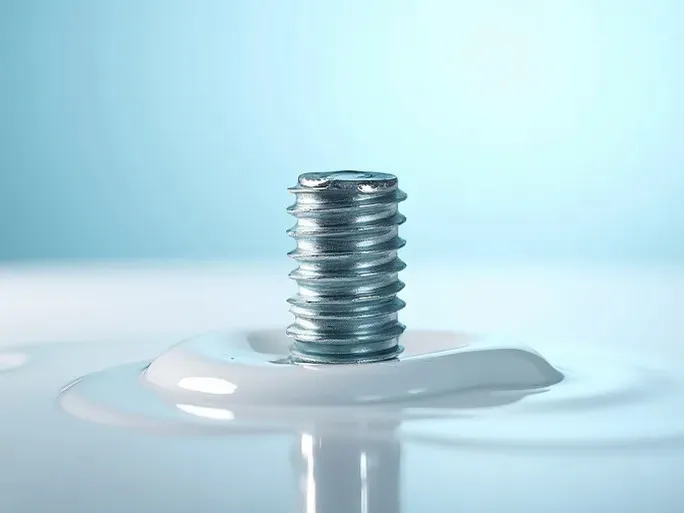
Standard carbon steel screws quickly succumb to oxidation when exposed to outdoor elements. ZincShield™ addresses this through an electroplating process that bonds a uniform zinc layer to high-quality steel cores. This coating serves as a sacrificial anode – zinc’s higher electrochemical activity causes it to corrode preferentially, forming a protective oxide barrier that safeguards the underlying metal.
Key advantages of this technology include:
- Cost-effectiveness compared to stainless steel or hot-dip galvanized alternatives
- Reduced installation torque due to zinc’s natural lubricity
- Multiple color options through chromate conversion treatments
- Environmental compliance with RoHS directives through trivalent chromium processes
Performance Specifications by Coating Type
| Coating Type | Thickness (μm) | Salt Spray Resistance (hours) | Recommended Environment |
|---|---|---|---|
| Clear Zinc | 5-12 | 96-200 | Indoor/semi-outdoor |
| Yellow Zinc | 8-15 | 300-500 | General outdoor |
| Black Zinc | 8-15 | 300-500 | Aesthetic-focused applications |
| Zinc-Nickel Alloy | 8-12 | 1000+ | Coastal/high-humidity regions |
Application-Specific Solutions
Different outdoor furniture components demand tailored approaches. Dining sets in covered patios may only require basic clear zinc protection, while seaside lounge chairs benefit from zinc-nickel alloy coatings. Technical analysis can determine optimal specifications based on:
- Local climate conditions
- Expected product lifespan
- Structural load requirements
- Maintenance accessibility
Technical Considerations
The plating process increases screw dimensions by 5-25 microns, requiring tolerance adjustments for precision applications. Welding presents additional challenges – zinc vaporization at high temperatures creates toxic fumes and compromises joint integrity. Appropriate ventilation and surface preparation are essential for any metal fabrication involving zinc-coated components.
Quality Assurance Protocols
Manufacturing standards include:
- ASTM B117 salt spray testing for corrosion resistance
- ASTM D3359 adhesion assessments
- ANSI/ASME B18.2.1 dimensional verification
- Automated thickness monitoring during production
Through material science innovation and rigorous testing, this protective technology offers outdoor furniture manufacturers reliable solutions against environmental degradation. Proper fastener selection balances performance requirements with economic practicality, avoiding unnecessary specification while ensuring long-term durability.