
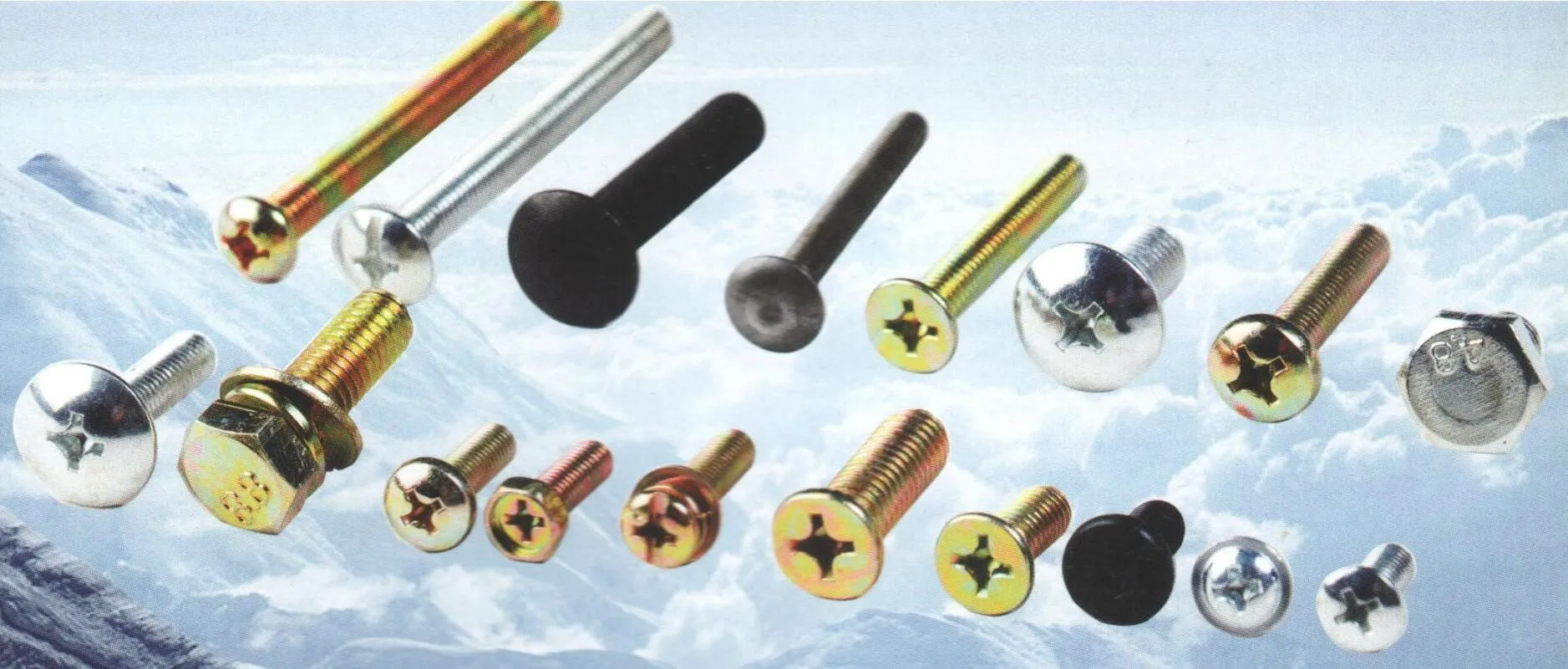
Iron screws rust in a damp warehouse long before they reach an assembly line, and the usual fix is a thin varnish film over the plating or the bare metal. The film is only as good as its cure. Four properties decide whether it holds.
Solvent-free where there is vibration
On vibrating machinery, use a solvent-free impregnating varnish. Solvent-borne films lose plasticiser as they dry and craze at the thread root — which is exactly where a vibrating joint starts to fret.
No oxidising components
Choose an impregnating varnish without oxidising components; epoxy-urethane and unmodified epoxy systems are the usual answer. Varnishes that cure by oxidation leave acidic by-products behind, and those by-products keep attacking the steel under the film.
Melamine-acid systems: 135 °C for more than 180 minutes
Where a melamine-acid impregnating varnish is specified, push the cure to the top of its window: slightly above 130 °C — 135 °C is the usual setting — and longer than 180 minutes. The drying time printed on the datasheet is measured on a flat test panel. A threaded screw carries a much heavier film per unit area and heats more slowly, so the datasheet figure is not enough on its own.
Follow the schedule strictly, and treat hot, humid seasons as the case where under-curing shows up first.
Volatile acids and hydrolysis
Two properties decide how the film behaves over years rather than weeks: it should contain no volatile acids, and it should have good hydrolysis resistance. A film that hydrolyses releases acid at the interface, and on a zinc-plated screw that is where the corrosion starts.
If the parts are going into humid storage rather than straight onto a line, say so on the drawing. The finish and the cure schedule change accordingly.