
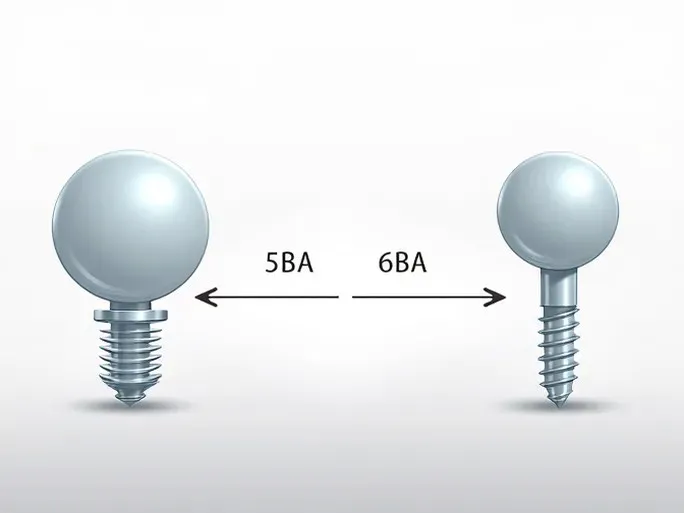
Often overlooked yet essential for refined interior aesthetics, mirror screws represent a critical component in wall-mounted installations. These specialized fasteners combine functionality with decorative appeal, ensuring both safety and visual harmony in residential and commercial spaces.
Mirror Screws: Where Function Meets Elegance
Beyond their practical role in securing reflective surfaces, high-quality mirror screws contribute significantly to a space’s overall aesthetic. The right selection can elevate a mirror from ordinary to exceptional, creating a polished look that complements various design styles.
Anatomy of Mirror Screws
The mirror screw system comprises two primary components:
Base Component:
This structural element bears the weight of the mounted object. Selection considerations include:
- Precise diameter matching for existing mounting holes
- Weight-bearing capacity relative to the mounted object
- Wall composition compatibility (drywall, concrete, or wood)
Decorative Cap:
Serving both protective and aesthetic purposes, these caps feature:
- Multiple material options including metal, plastic, and ceramic
- Various color and design configurations
- Removable functionality for maintenance without disassembly
Understanding BA Thread Specifications
The British Association (BA) thread standard presents two primary options for mirror screws:
5BA Thread:
Larger diameter despite numerical designation
6BA Thread:
Smaller diameter suitable for lighter applications
Selection Guidelines
Proper thread specification matching ensures secure installation:
- 6BA threads typically pair with smaller fasteners (6-gauge wood screws or M5 machine screws)
- 5BA threads accommodate larger hardware (10-gauge wood screws or M6/M8 machine screws)
- Decorative cap diameters under 12mm generally use 6BA, while larger caps employ 5BA
Practical Considerations for Installation
Advantages
- Seamless integration of functional and decorative elements
- Facilitates periodic access for maintenance
- Extensive customization options
Limitations
- Thread specification complexity for novice users
- Weight capacity constraints for heavy installations
Installation Protocol
- Gather appropriate tools (level, measuring tape, drill)
- Mark precise mounting locations using a level
- Drill pilot holes slightly deeper than fastener length
- Secure base components without overtightening
- Attach decorative caps until snug
- Verify stability and alignment
Special Application Notes
- Humid environments benefit from corrosion-resistant materials
- Heavy installations may require supplemental support structures
- Drywall applications demand specialized anchors for stability
- Child-safe options prevent accidental disassembly
Maintenance and Future Developments
Routine inspection ensures long-term performance. Emerging technologies may introduce:
- Smart features with environmental adaptation
- Sustainable material alternatives
- Multifunctional designs incorporating lighting or climate control
- Custom fabrication services