
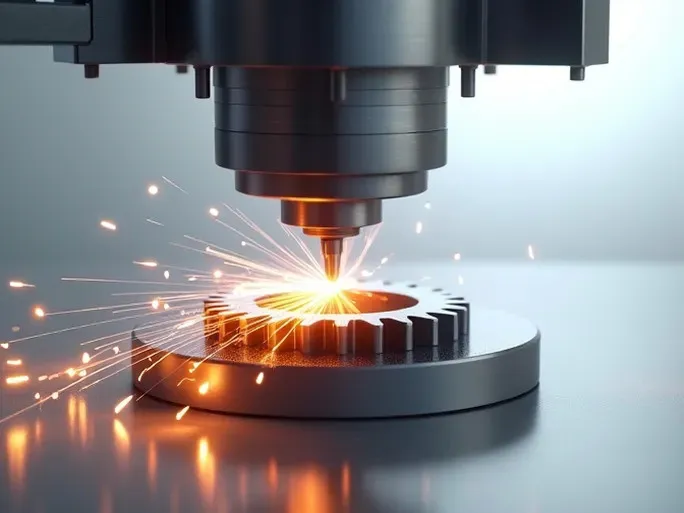
Imagine holding a precisely machined part in your hand—it could be the core component of your new product or a critical element in your DIY project. But did you know this small part might hide significant production costs? As the backbone of modern manufacturing, CNC machining cost control directly impacts your project budget. So how can you minimize expenses while maintaining quality? Let’s analyze CNC cost structures and reveal practical savings strategies.
Key Factors Influencing CNC Machining Costs
CNC machining expenses stem from multiple interdependent variables. Here are the primary cost drivers (ranked by significance, though actual impact varies by project):
- Order Quantity:
Larger batches dramatically reduce per-unit costs through setup amortization. - Material Selection:
Titanium costs 3-5x more than aluminum and requires slower machining. - Material Utilization:
Optimized designs minimize raw material waste. - Machining Time:
Complex geometries increase cycle times exponentially. - Post-Processing:
Surface treatments like anodizing or plating add 2-25% to base costs.
Material Cost Comparison
| Material Type | Example | Cost/kg (USD) | Machinability |
|---|---|---|---|
| Carbon Steel | Q235 | $0.70 | Excellent |
| Aluminum | 6061-T6 | $3.20 | Outstanding |
| Stainless Steel | 304 | $3.00 | Moderate |
| Titanium | Grade 2 | $15.00+ | Challenging |
7 Proven Cost-Reduction Strategies
1. Simplify Part Geometry
Design modifications can yield 20-40% savings:
- Replace sharp internal corners with radii ≥0.5mm
- Limit thread length to 3x hole diameter
- Avoid deep pockets (>4x width)
- Maintain wall thickness ≥0.8mm (metal) or 1.5mm (plastic)
2. Optimize Tolerances
Standard vs. precision tolerances impact costs:
| Tolerance Grade | Range (mm) | Cost Premium |
|---|---|---|
| Standard | ±0.1 | Baseline |
| Medium | ±0.05 | +1.5-2% |
| Precision | ±0.02 | +2.5-4% |
3. Maximize Batch Sizes
Economies of scale demonstrate dramatic savings:
- 100-unit orders cost 60-80% less per part than 10-unit runs
- 1,000-unit batches achieve additional 15-30% savings
4. Select Machinable Materials
Aluminum 6061 machines 3x faster than stainless steel 304 with 50% less tool wear.
5. Standardize Features
Using common drill sizes and thread types eliminates custom tooling expenses.
6. Minimize Secondary Operations
Each additional process adds cost:
- Deburring: +5-10%
- Anodizing: +8-15%
- Powder coating: +10-20%
7. Leverage Multi-Axis Efficiency
5-axis machining reduces setups for complex parts but increases hourly rates:
| Machine Type | Hourly Rate (USD) | Best For |
|---|---|---|
| 3-Axis | $50-100 | Simple geometries |
| 5-Axis | $100-150+ | Complex contours |
Frequently Asked Questions
Q: What’s the single biggest cost-saving opportunity?
A:
Increasing order quantity typically delivers the most significant savings, often reducing per-unit costs by 60-90% for large batches.
Q: How do design changes impact pricing?
A:
A single complex feature (like a deep undercut) can increase costs by 30-50%. Simplifying just one problematic element often yields substantial savings.
Q: When should I consider 5-axis machining?
A:
Reserve 5-axis for parts requiring complex contours or multiple angled features. For prismatic parts, 3-axis machining remains more cost-effective.