
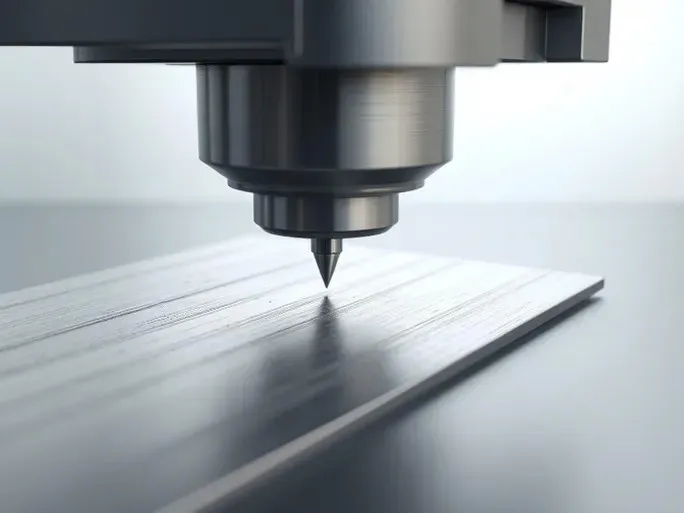
Metal stamping, while seemingly straightforward, presents numerous technical challenges when attempting to maintain perfect linear alignment. This article examines common issues in straight-line metal stamping and provides practical solutions to enhance precision for both hobbyists and professionals.
Material Fixation: The Foundation of Precision
The slightest material movement during stamping can compromise linear accuracy. Proper fixation requires:
- Specialized clamping fixtures designed for metalworking applications
- Non-marring contact surfaces to prevent material damage
- Even pressure distribution across the workpiece
Tool Selection and Application
Stamping tools significantly influence the quality of linear impressions:
- Select punch heads with polished, defect-free surfaces
- Maintain consistent pressure throughout the stroke
- Consider guide tools or jigs for enhanced directional control
- Regularly inspect and maintain tooling edges
Work Surface Considerations
A level working surface is essential for maintaining perpendicular tool alignment:
- Verify flatness using precision leveling instruments
- Address surface irregularities through machining or replacement
- Ensure adequate support for the workpiece dimensions
Developing Technical Proficiency
Skill development remains fundamental to achieving consistent results:
- Practice on scrap material to understand metal behavior
- Document pressure settings and material responses
- Gradually progress to more complex applications
While specific instructional materials may become unavailable, the fundamental principles of metal stamping remain constant. Attention to these technical details enables continuous improvement in linear stamping accuracy across various metalworking applications.